Share Tables Help TN District Reduce Waste & Nourish Students
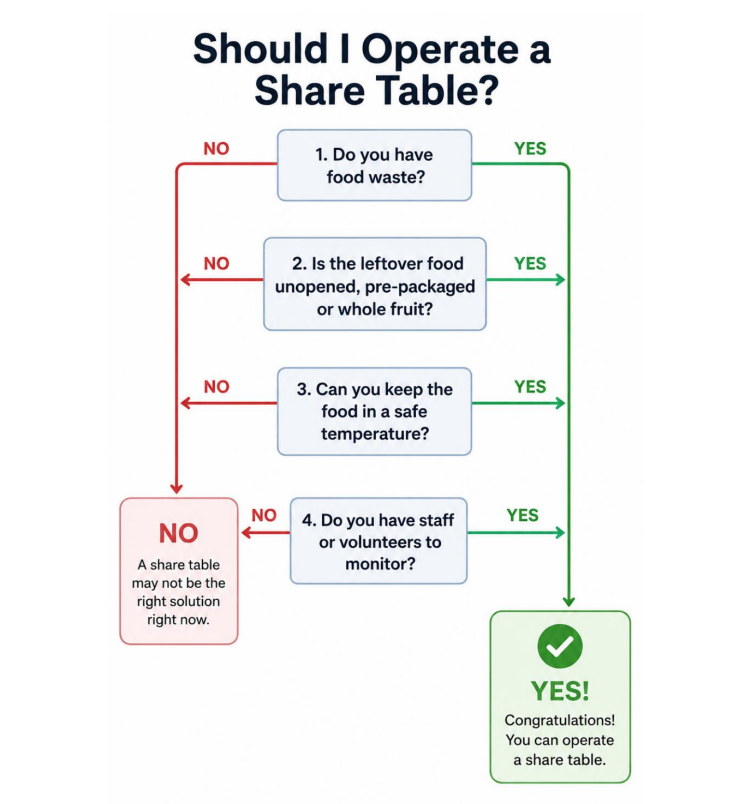
A familiar practice in many school cafeterias, maximizing the use of share tables can make a significant difference in reducing food waste and helping students access extra food to nourish their day.
Giles County School System in Tennessee has helped develop a program that makes sharing easy and practical in the district, which serves approximately 3,600 students across eight schools. The district provides free meals to all of its students through the Community Eligibility Provision (CEP).
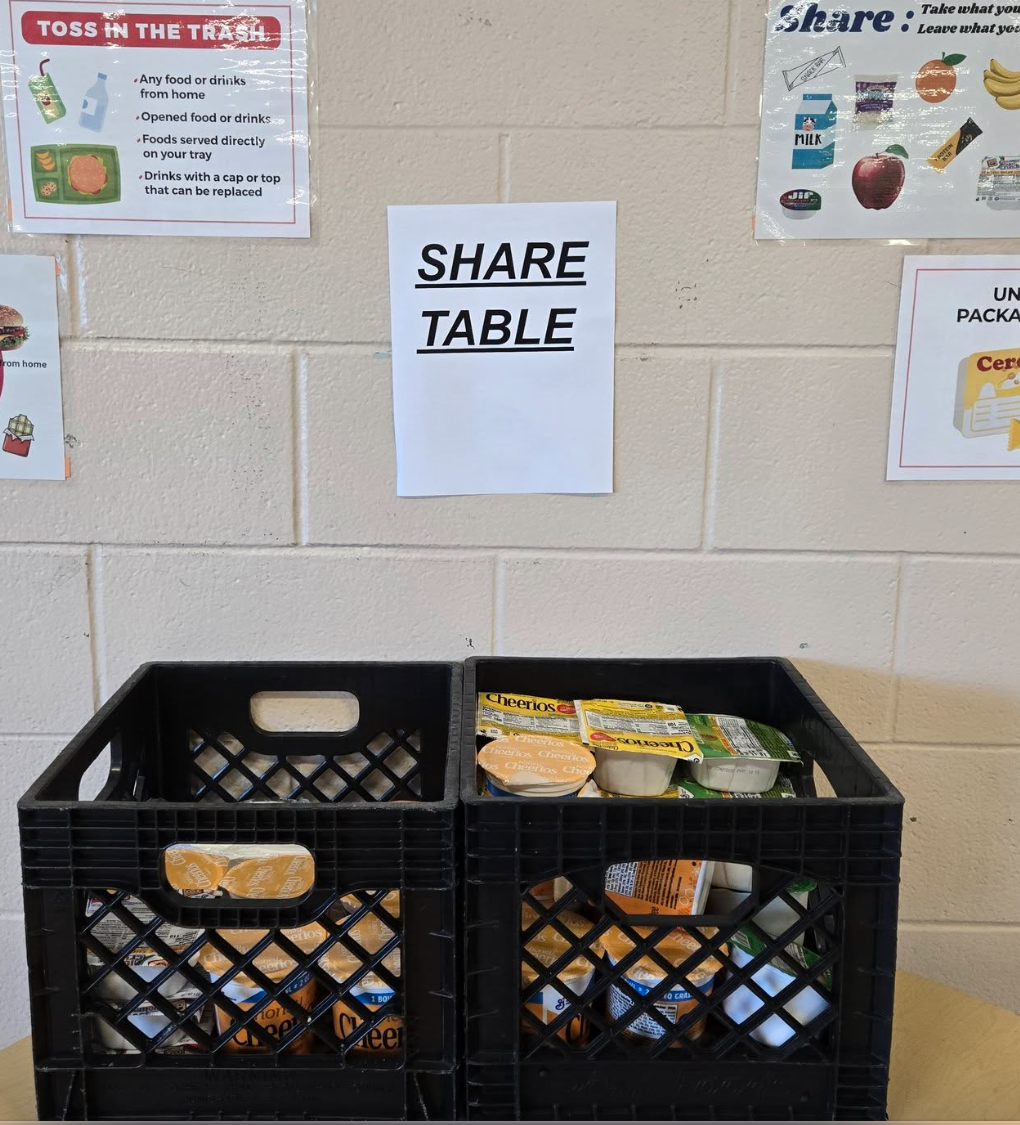
With a background in clinical dietetics, School Nutrition Director Sunny Mitchell, MS, RDN, LDN, was accustomed to evaluating food consumption and finding ways to reduce waste. When she transitioned to school nutrition, she began reviewing menus and looking for ways to encourage students to eat more of the foods offered. After attending a food and nutrition conference presentation about share tables, she saw an opportunity to build on the concept.
“Share tables give students the opportunity to pass along eligible foods they do not want to provide for someone who will enjoy them,” Mitchell explained. “It is a simple way to reduce food waste while making more food available to students who want or need it.”
Within Giles County cafeterias, milk and juice are common items shared at breakfast, while extra fruits and vegetables frequently appear during lunch service. According to Mitchell, juice left from breakfast is often gone by the end of lunch, and high school athletes frequently pick up apples and bananas before heading to practice. The tables also give students who bring lunch from home access to additional food.
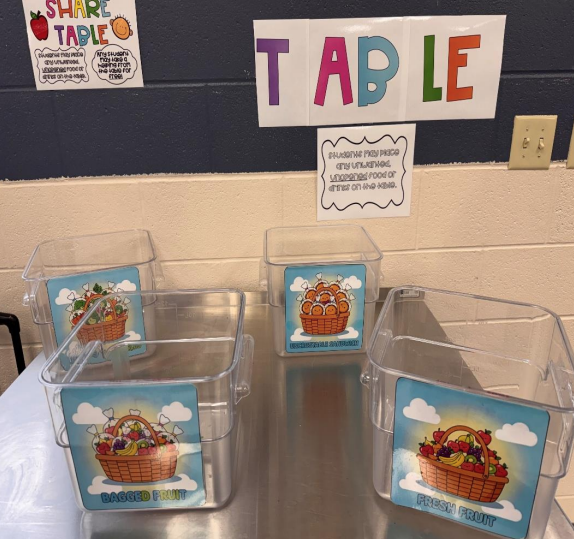
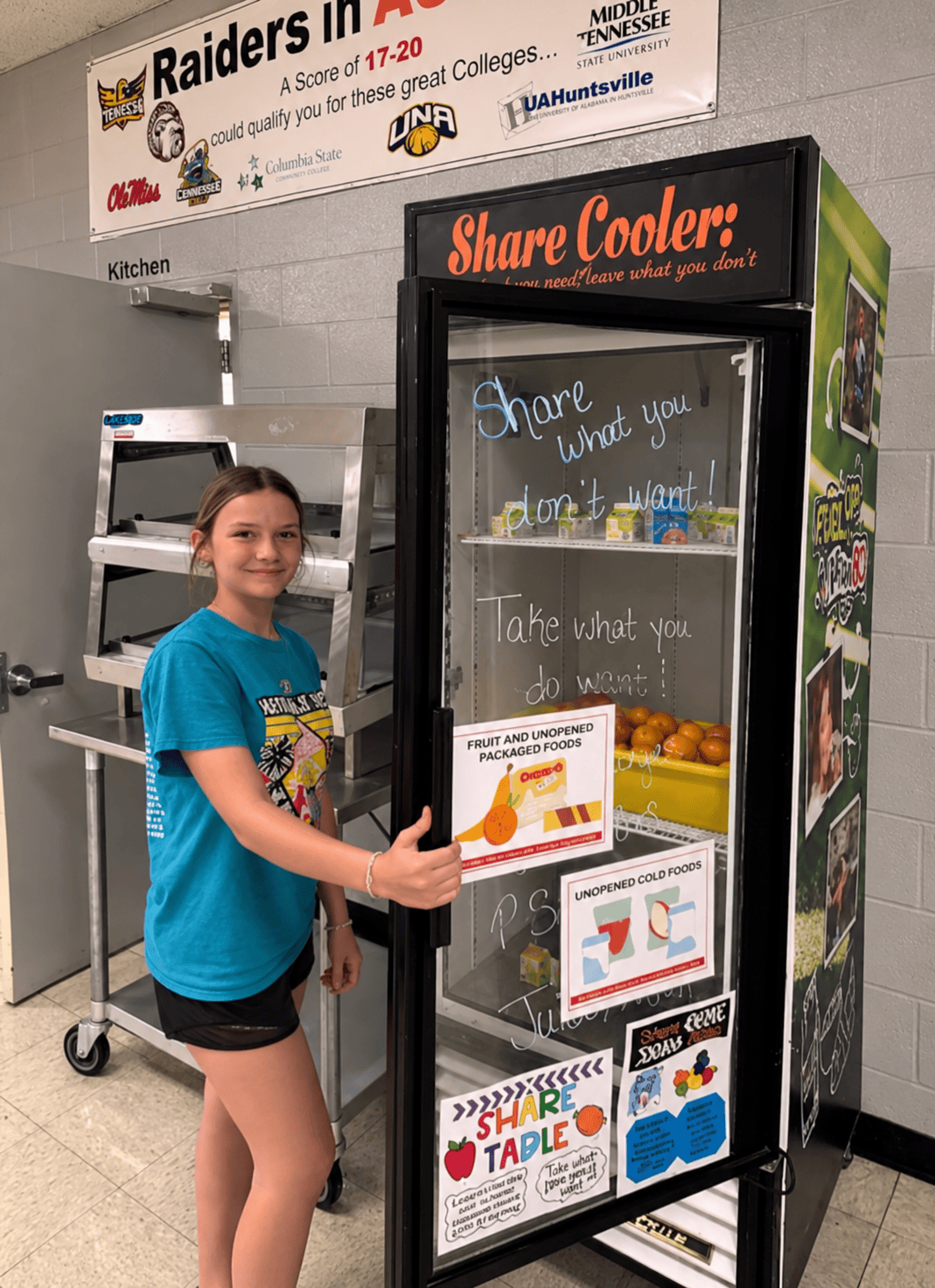
Successful share tables require planning, clear communication and a creating a culture of sharing. Mitchell recommends placing tables near the serving line exit so students can leave unwanted items before sitting down. Signs featuring familiar foods help younger students understand what can be shared. Schools have also repurposed coolers to keep items cold and organize food for sharing or returning eligible items to inventory, when permitted.
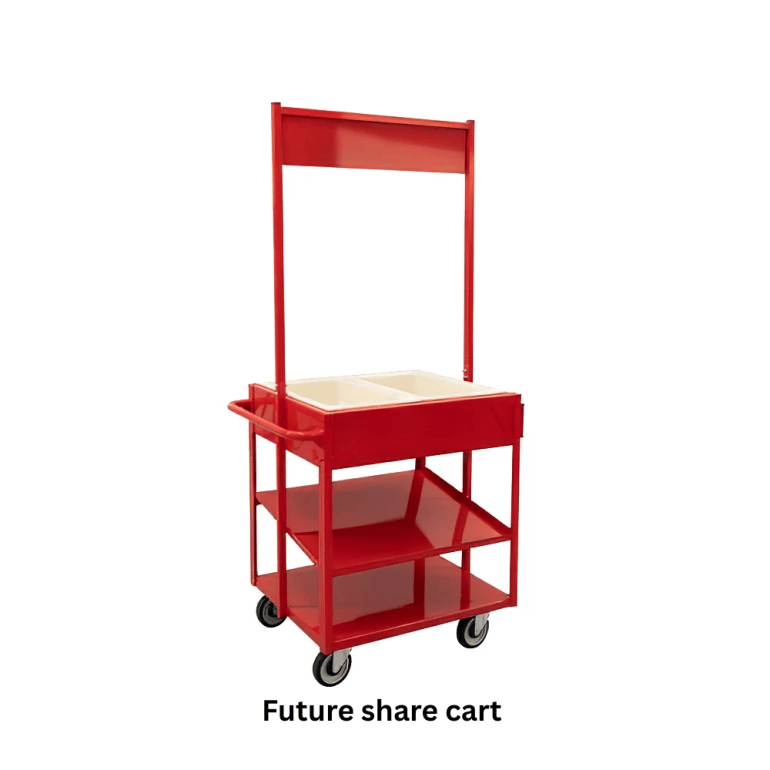
The district is expanding the program with share carts for every school, customized with school colors and mascots to encourage participation.
For Mitchell, the benefits go beyond reducing waste. Share tables help schools make better use of food budgets while making more food available to students. The district has also seen fewer discarded produce, easing the workload for custodial staff.
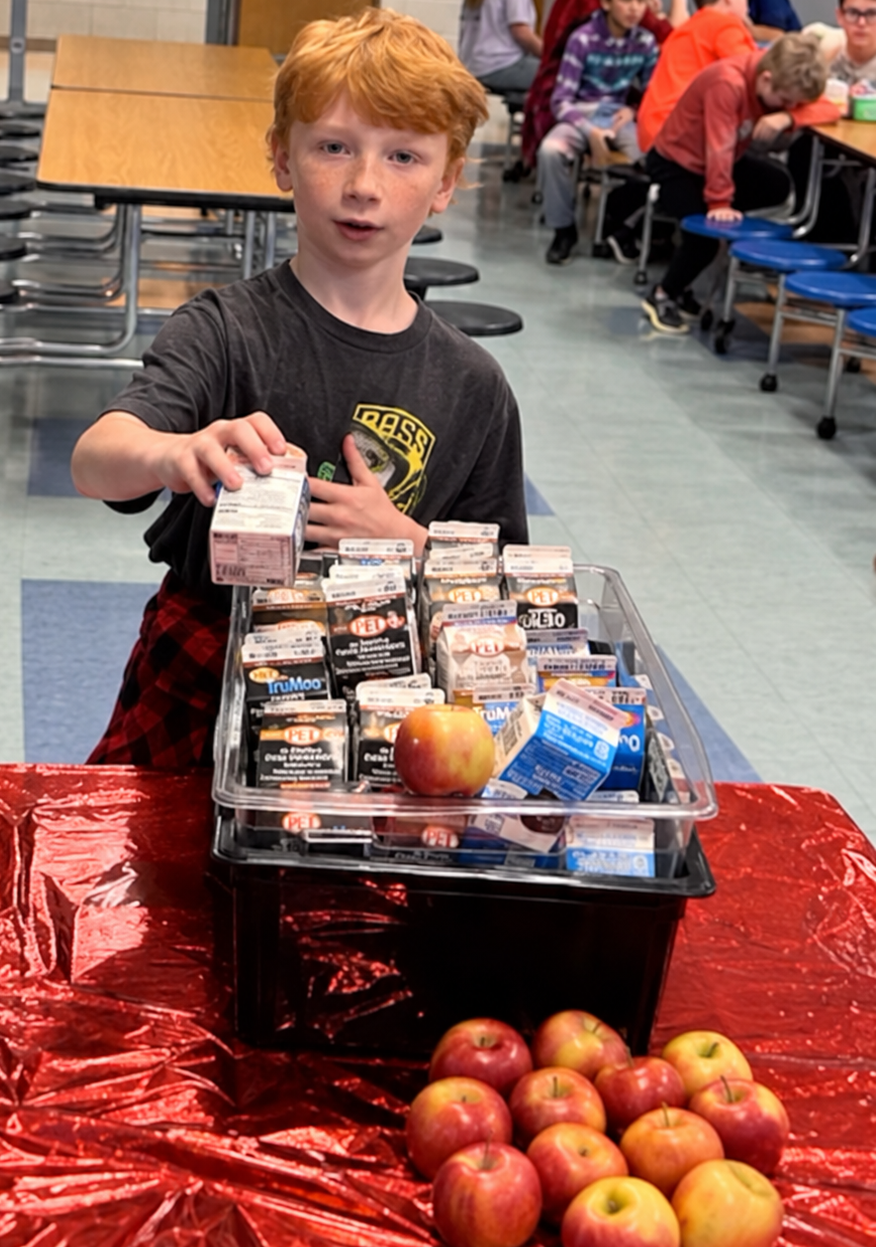
“I hate to see food thrown in the trash, especially if you’re in a low-income area,” Mitchell said. “The janitors love us, too. We went from three trash bags of heavy apples to none.”
Mitchell encourages other school nutrition directors to review applicable USDA guidance, establish clear procedures and foster a positive culture around sharing. With thoughtful planning and staff support, share tables can help schools reduce food waste and better serve their communities.

