
Produce Auction Helps PA District Serve Up More Local Foods
“Going once, going twice…sold to the Manheim Township School District!”
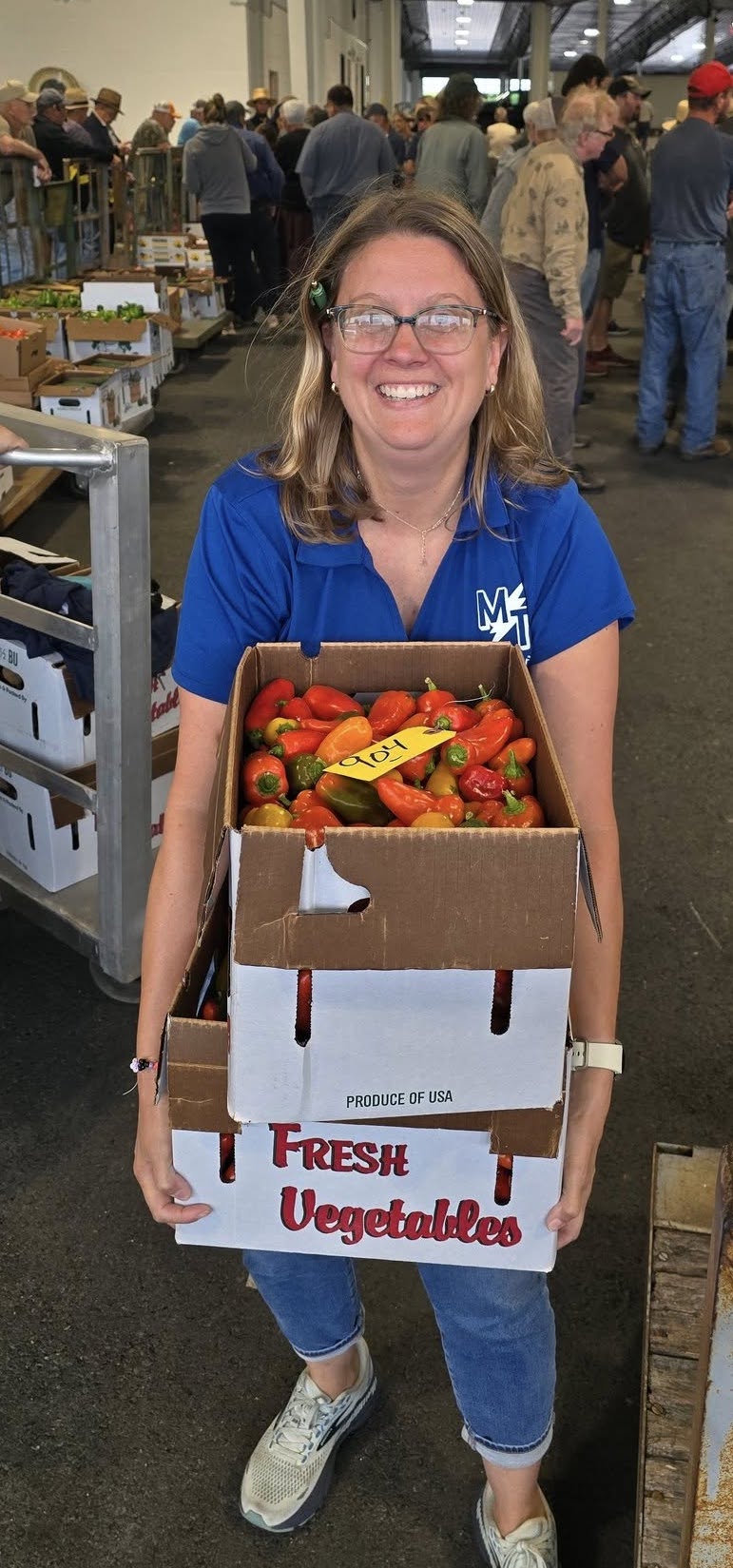
That phrase is heard weekly at a local produce auction in Pennsylvania, where the district is working to elevate school meals with a focus on fresh, local produce. The auction features local farms, many from the Amish community, offering colorful, seasonal fruits and vegetables that are bid on to be served in school meals that nourish the district’s 6,200 students.
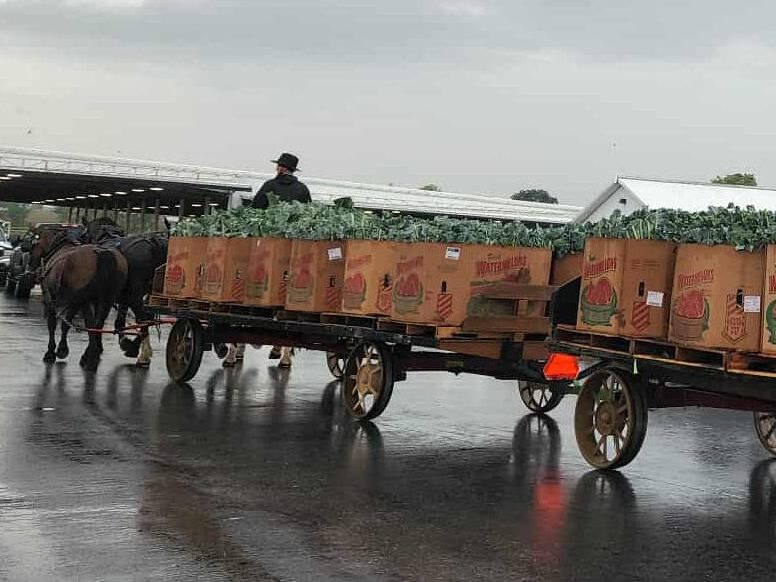
“The Amish farmers usually arrive in a wagon, either drawn by a horse or a horse and buggy, with all of their produce right on the carts. Most of it was picked that morning – it doesn’t get much fresher than that,” said Kelly Price, Food Service Director for Manheim Township School District.
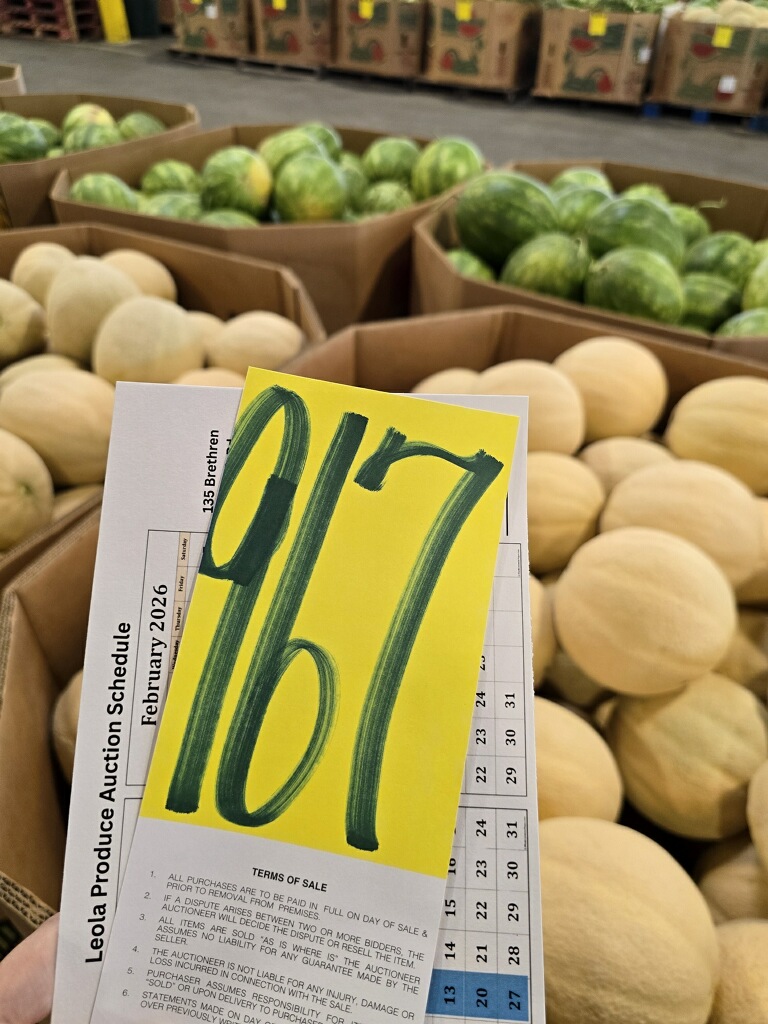
The auction is a cost-effective way to bring variety to school menus. Price and her team are strategic when they place bids on produce.
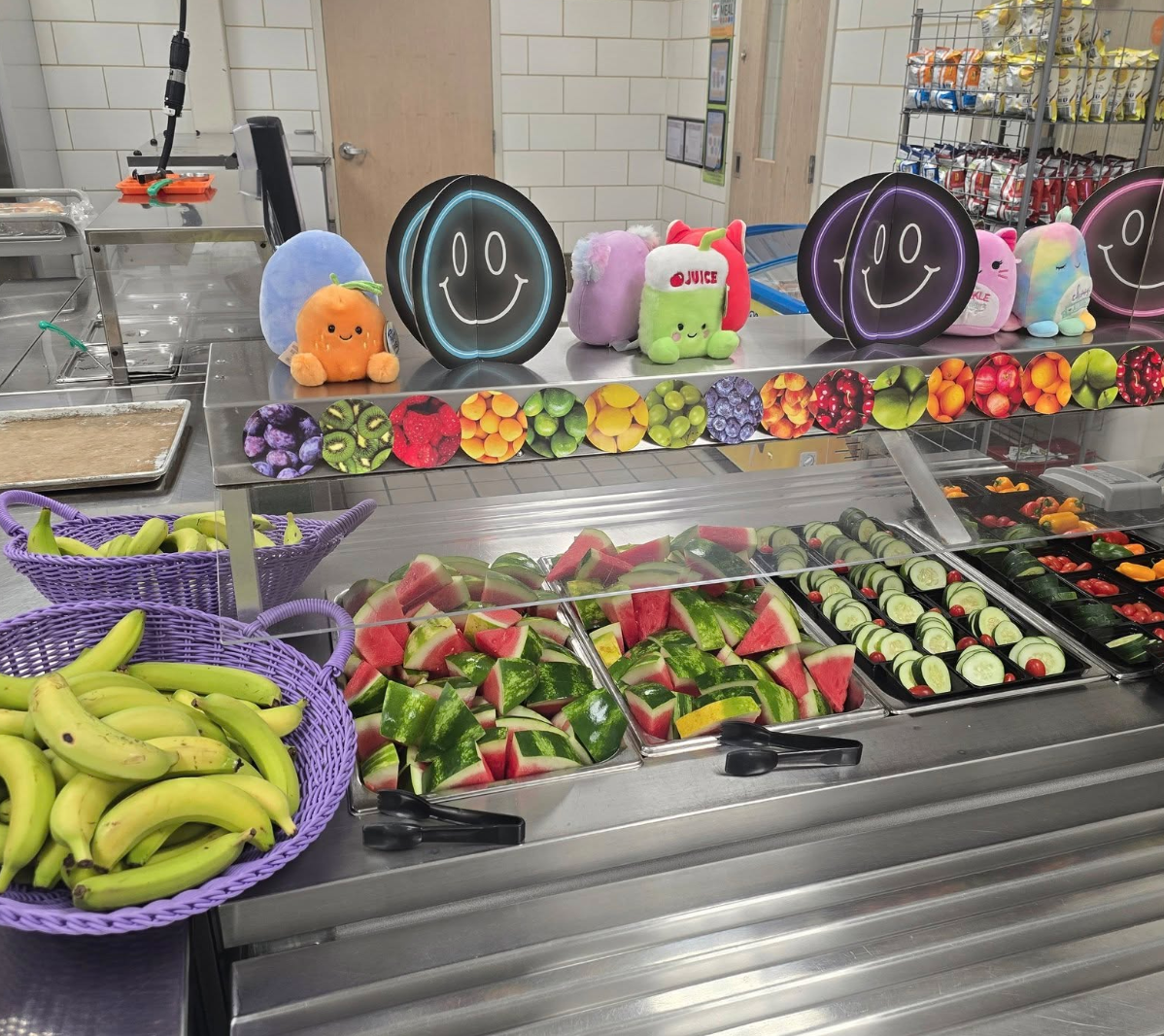
“One big bin of broccoli, enough to feed the high school and middle school, costs only $20. And a bin of 50 watermelons runs about $150. It’s a great deal for us and supports local farms at the same time,” Price said.
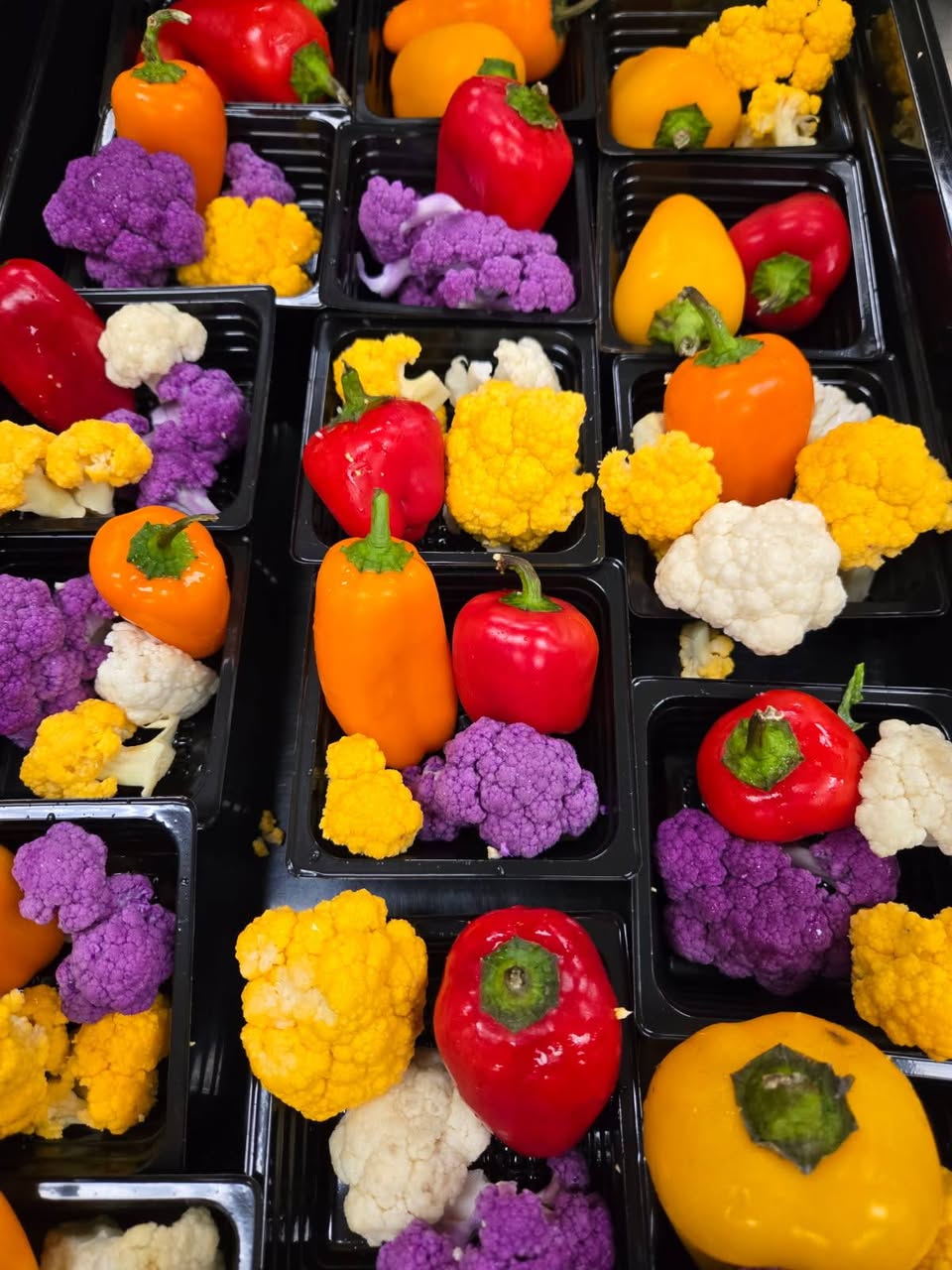
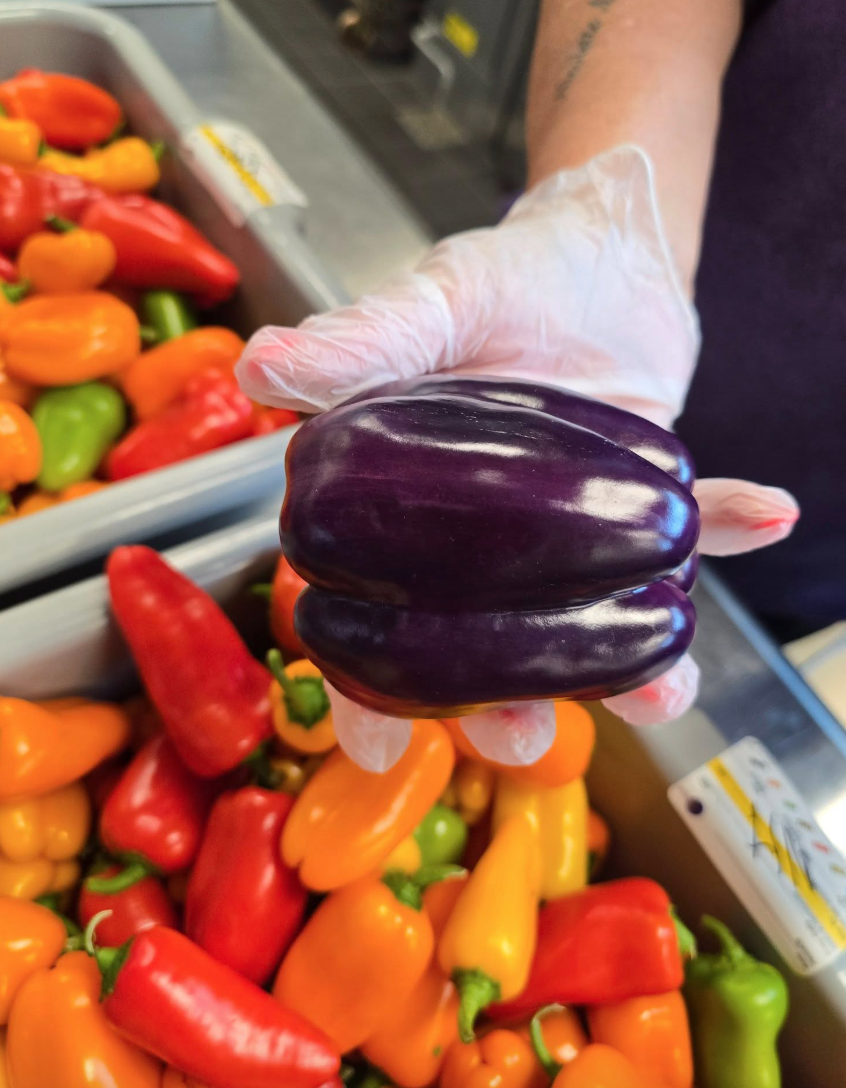
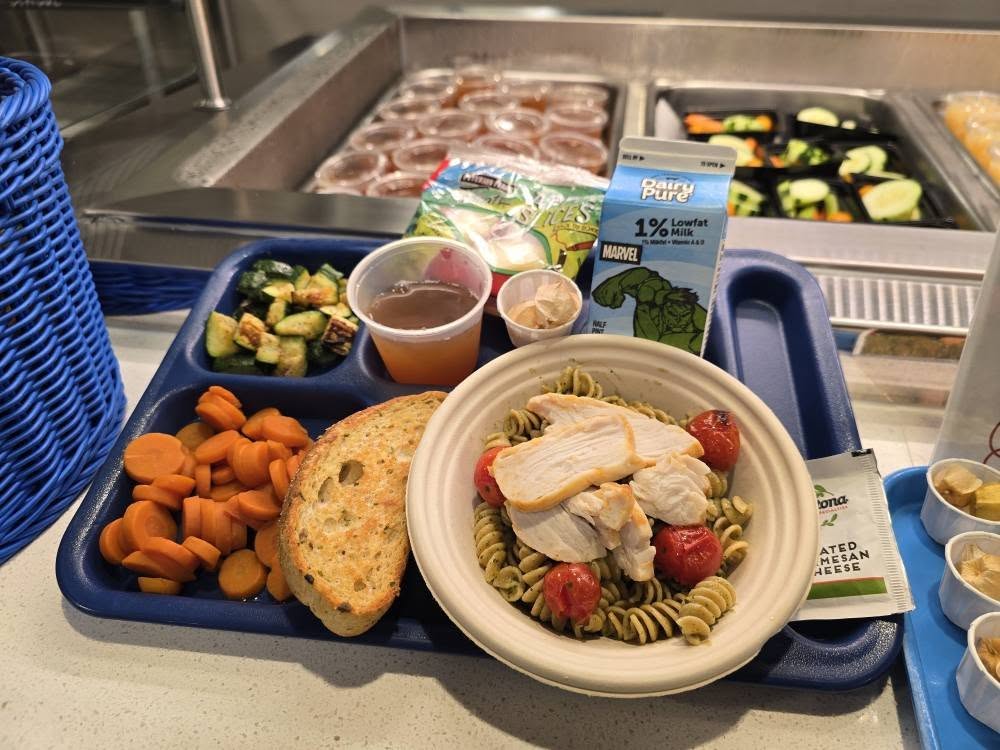
The produce purchased is used creatively across the district. Cherry tomatoes, colorful cauliflower, mini squashes and snacking peppers make their way onto pizzas, salads and hot meals. “We offer two vegetables and two fruits with every meal. Fresh ingredients really excite the kids, and high participation helps cover the costs of buying in bulk,” she notes.
Price also works closely with local farms like Harvest Lane and Kaufman’s Orchard to supply specialty items including basil, peaches and Asian pears. She emphasizes the importance of building relationships with farmers.
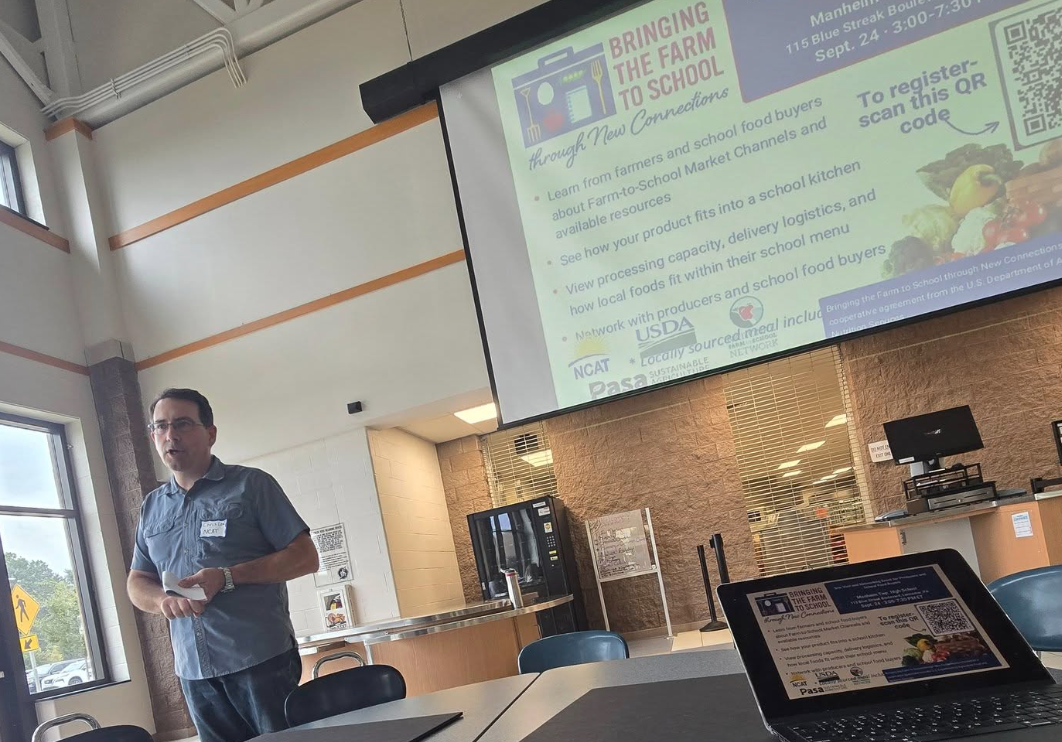
“I’ve been working with some farmers for five or six years. They understand our needs and we work together to make it sustainable,” said Price. This approach extends beyond the kitchen, the district also hosts Farm-to-School networking events where farmers see how their products are used in schools. Manheim Township Schools proves that a commitment to local food makes school lunch both nutritious and exciting, one colorful bin at a time.
Price’s advice to other districts is simple, “It might seem daunting at first, but once you get started, it’s really rewarding. The kids love it, and the farmers see the impact of their work.”
 TrayTalk.org