TX Districts Cultivate Farm to School Connections Through Local Food Hub
Lake Travis ISD and Manor ISD in Texas have reimagined farm-to-school connections through a Food Hub Pilot program.
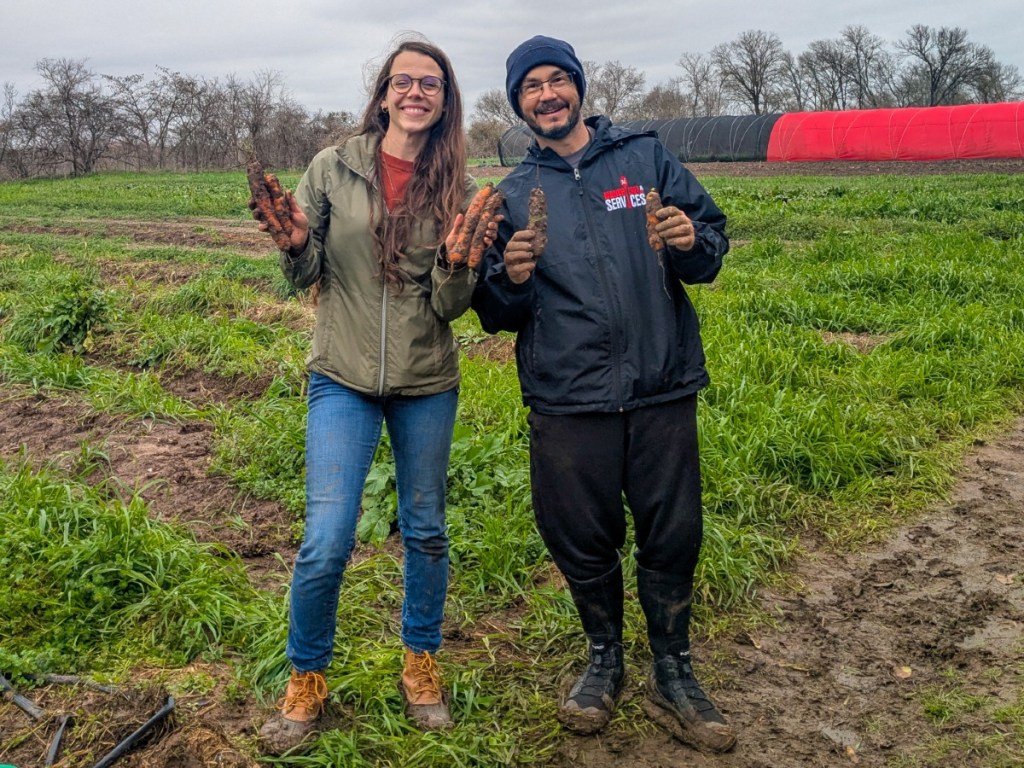
The collaborative program relies on partnerships with the Central Texas Food Bank for infrastructure and delivery support and the Sustainable Food Center to help align menu forecasting with regional harvests. Connections were made with local farms, including Farmshare Austin, Hope Full Farms and The Refugee Collective, who contributed fresh, organic and sustainably grown foods.
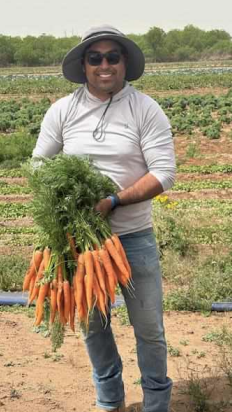
Sourcing food locally benefits students, farmers and communities. Local foods are not only more flavorful and nutritious but also support sustainable farming practices and the regional economy.
“Farm to School is more than a meal,” said Marissa Bell, Dietitian and Marketing Coordinator for Lake Travis ISD. “It’s about giving students fresher, tastier, and healthier foods, while also supporting local farmers and strengthening community ties.”
About an hour from Lake Travis, Manor ISD also participated in the pilot program. Ryan Cengel, Director of Food & Nutrition, discussed the barriers that many districts face in sourcing locally. “Budgets are tight, procurement can be complicated, and finding farmers who are willing and able to sell to schools isn’t always easy,” he explained.

The Central Texas Food Hub Pilot was designed to bridge these gaps. By aggregating products from small farmers, coordinating logistics and connecting directly with school districts, the hub ensures a more reliable and affordable way to bring local food into school cafeterias.
“It’s not about one-time purchases,” Cengel said. “It’s about building long-term relationships that benefit both schools and farmers.”

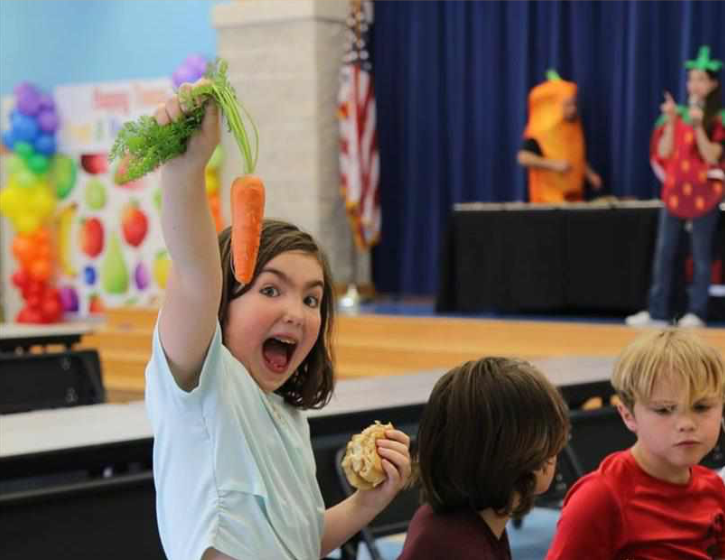
Farm-to-school and the food hub program is also a powerful education tool. From farmer visits and special menu items to student taste tests, these engaging efforts help turn cafeterias into classrooms.
“Featuring local foods sparks curiosity and inspires healthy eating habits,” Bell said. “It also builds community pride and increases participation in school meal programs.”
The Central Texas Food Hub Pilot proves that farm-to-school isn’t just about food, it’s about building lasting partnerships that nourish students and communities

 TrayTalk.org